Virtual Classroom

Monday, August 12, 2024

Introduction to Kindergarten Art

 Introduction to Art


Students come in and stand on the line. Quick Greeting-

This year you will have a special place to sit when you come to our art class.I'm going to show you those special places now.
I want you to listen for your name. When you hear your name come over to me.
Sit in your special place. I will point to it.

Seat students

Welcome to art class! We are going to have an exciting year together in art, full of discovery
and art making. We will draw, collage, paint, and make sculpture. We are going to learn
what it means to be an artist and how to work like an artist because we are all artists.


Now we are going to create some art....
Think about something beautiful (Envision)
-think about something you love
-what do you think is really cool?
Can you draw a picture of that ? Can you glue down shapes to make a picture?
Use your imagination to make something beautiful.


Materials:
Paper
pencil
crayons
glue stick
paper shapes/newspaper
google eyes (1 set)


Clean up expectations:
Clean up song:
1. Silent/no talking/whisper voices
2. Everyone should help clean up their table
3.Put your head down

 
What did you make?
What drawing materials did you use?
How were you brave when you made your art? Did you try something new?

*Remind students to raise their hand and wait to be called on.
In school, we are respectful by raising our hands when we have something to say.
Thank individual students for being respectful and raising their hands.


                                                                            Art Song


Line Up Time.
Practice line up expectations.
Quiet
Feet on tape
Facing forward


Monday, May 20, 2024

Monday, May 13, 2024

Introduction to Fibers


What is Sewing?

Create

1. Generate and conceptualize artistic ideas and work.

A. Play & Ideation

Engage in exploration and imaginative play with materials

All over the world, you will find people sewing.


People sew to create useful objects like clothes, blankets and shoes.


People sew to create beautiful objects like rugs, quilts and toys.


Sewing can be useful AND beautiful.

Today we are going to explore sewing in three stations.

We can explore some fabric we use for sewing, called BURLAP

We can explore the string we use for sewing called YARN

We can try to tie a knot, a skill we will need to learn for sewing.


Video:


Pulling burlap apart

This fabric is called burlap. It is a good fabric to begin to learn how to sew on because it is easy to see the holes. Fabric is made from thread woven together in a pattern. Sometimes the fabric has a tight weave and it is hard to see the threads. Sometimes fabric has a loose weave and you can see the individual threads that make up the fabric. Burlap has a loose weave. Lets try to take apart the burlap so we can learn how the fabric is made, and it's fun!

Pull a piece of thread off the edge of the burlap. Pull another. Can you pull a thread from the middle of the fabric? As you pull the threads, place them in your basket.


Snipping yarn

Yarn is the thread we will use for sewing. Yarn can come in many exciting colors and textures. Sweaters and blankets are often made from yarn.

We are going to practice snipping yarn. We should learn to cut the yarn not too close to the hole where the yarn comes out, or the yarn will disappear. If that happens to you, you can open the jar and thread it back through the hole in the lid.

It is fun to snip yarn. 

As you snip yarn, collect the pieces in your basket.


Tying Knots

Knots are important to learn for many sewing projects. A knot stops your stitches from pulling out. Learning how to tie may also help you with other things like tying shoes.

Lay the rope out flat. 

Bring the two ends up and cross

Take the tip of the rope on top and bring it down through the hole. 

Pull tight.

Untie it and try it again. Make sure you leave it untied for the next person.

If you can tie a know using the rope, you may want to try tying many knots in a piece of yarn.


Wednesday, April 17, 2024

Clay-Pinch Pots


Pinch pots-Hands as tools

Today, we are making pinch pots out of clay! 

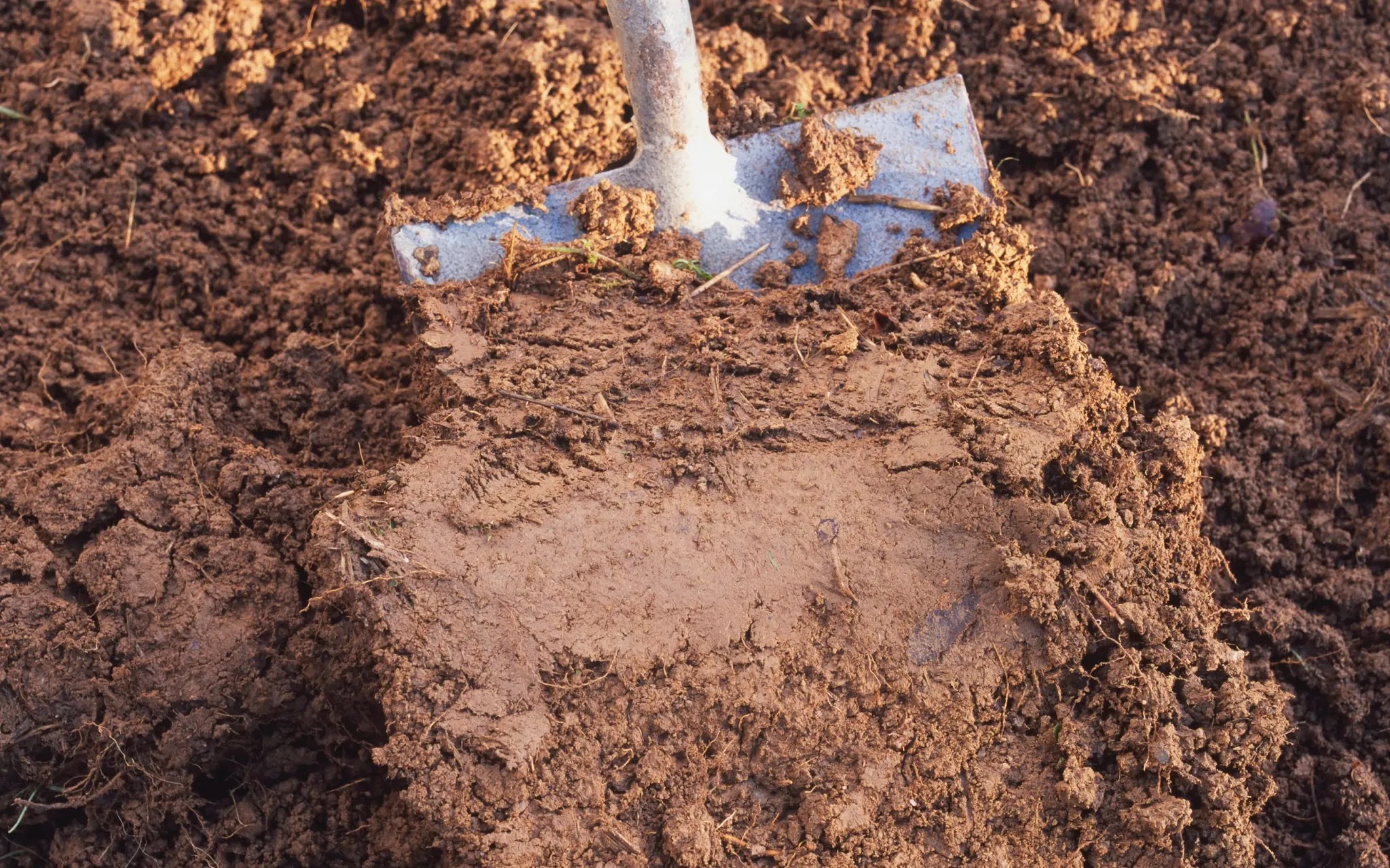
Natural clay comes from the earth. It is made up of fine-grained particles of rock that are broken down over many years and then mixed with water. Clay can be different colors ranging from grey to red-orange, to brown.


The color of the clay depends on the rocks and minerals that it is made of. 


Can you think of things made from clay? 
Flower pots, plates, cups, bowls, sculptures and bricks are all made from clay.

You can make a pinch pot with clay by making a ball, pressing your thumb into the clay and squeezing it between your finger and your thumb.

The only art tool we will need to make our pinch pots is our hands!


Steps to making a pinch pot


Dave the Potter


Monday, April 15, 2024

Explore Clay Day


Exploring Clay

Artists have made art out of clay for a very long time, and have made many different kinds of objects using their hands to pinch, pull, poke and smooth the clay.


How can you use your hands to change the shape of clay?


  1. Distribute Clay 
  2. Students explore squeezing, poking, and pinching and pulling the clay.
  3. Questions/Observations:
    How is clay similar/different than play-doh?
    Compare how it looks, feels, and smells.

Part II. Making and Joining forms


  1. Demonstrate how to make a few simple forms
  2. Show students how to temporarily join the forms by pressing the clay together.
  3. Have students make an object. 


 https://www.youtube.com/watch?v=IWU8Nf2vbZk

Tuesday, April 2, 2024

Pretend Restaurant Sculpting with Play-doh

 Making food using play-doh or clay! 


List some foods!
ex:
chicken leg
peas
apple
fries


Demonstrate making with clay
sphere -rolling between hands and on table
coil-rolling like a snake
slab (flattening)-like a pancake- press, not pound
smoothing pieces together to join

Activity:
Imagine you own a restaurant, what kind of food would you serve? 

Students will create a paper menu 
Students will make the food on their menu out of play doh or clay for their restaurant, using the skills demonstrated When finished with the food, put on a plate.

Video Lesson:


Video for end of class:

Grover serves a sandwich


Monday, March 18, 2024

Self Portrait Lesson 3


Self-Portrait Lesson 3

Instructions: Students will be designing their clothing, and coloring it in using oil pastel. 
Students will choose the paint that matches their hair color, and paint their hair using tempera paint.

Video Lesson: 


Materials Needed: 
Oil Pastels 
Tempera Paint
Paintbrush


Elmo's World, All About Faces